
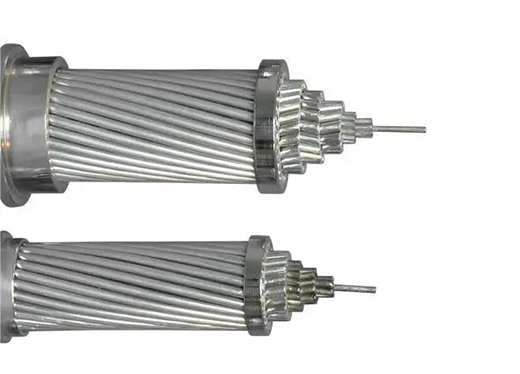
Aluminum Conductor
- RS manufactures aluminum conductor for overhead transmission and distribution lines, including AAC, AAAC, ACSR and ACAR constructions. The page focuses on bare overhead conductors and does not include insulated aerial bundled cable.
- RS configures conductor construction according to conductor code name, cross section, stranding, rated tensile strength, current requirement, corrosion environment, span length and the applicable project standard.
Product Introduction
Aluminum Conductor Product Selection
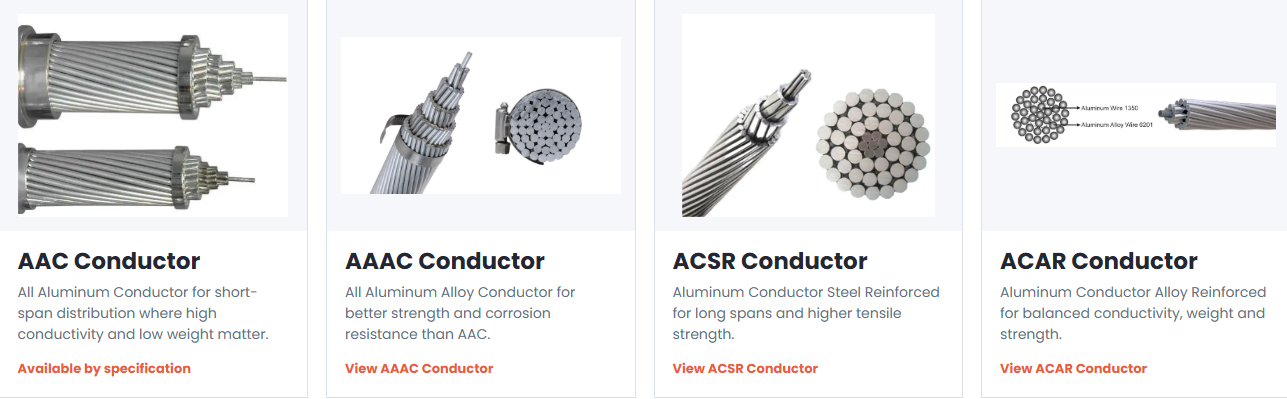
Aluminum conductor is used where overhead power lines require a balance of conductivity, weight, tensile strength, sag behavior, corrosion resistance and route cost. AAC is usually selected for shorter spans, AAAC for corrosion resistance and improved strength, ACSR for long spans and high mechanical loading, and ACAR for projects needing both strength and ampacity.
Unlike ABC Cable, these products are normally bare conductors. Insulation, messenger configuration and bundled construction belong to a different product group and should not be mixed with bare conductor specifications.
Electrical Performance
Conductor size, aluminum grade, stranding and operating temperature affect resistance, ampacity and voltage drop.
Mechanical Strength
AAAC, ACSR and ACAR are selected when span length, wind load, ice load or terrain requires higher tensile strength.
Route Environment
Coastal, industrial, mountainous and rural routes can require different conductor material and reinforcement choices.
Aluminum Conductor Construction
RS produces aluminum conductor in concentric-lay stranded constructions. Depending on the conductor type, the stranding may use hard-drawn aluminum wires, aluminum alloy wires, galvanized steel core wires or aluminum alloy reinforcement.
| AAC | Stranded hard-drawn aluminum wires for short-span overhead distribution |
| AAAC | Aluminum alloy wires for higher strength and corrosion resistance |
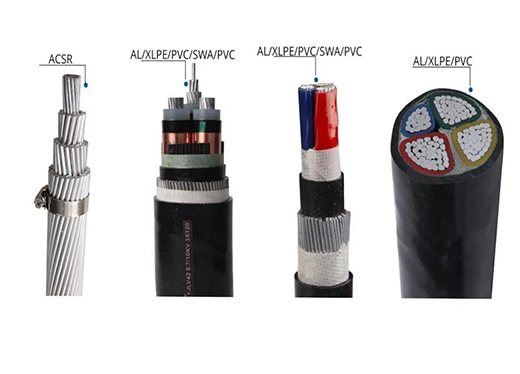
| ACSR | Aluminum strands around a coated steel core for higher tensile strength |
| ACAR | Aluminum strands with aluminum alloy reinforcement for balanced performance |
| Supply Form | Bare conductor on export wooden or steel-wooden drums according to project schedule |
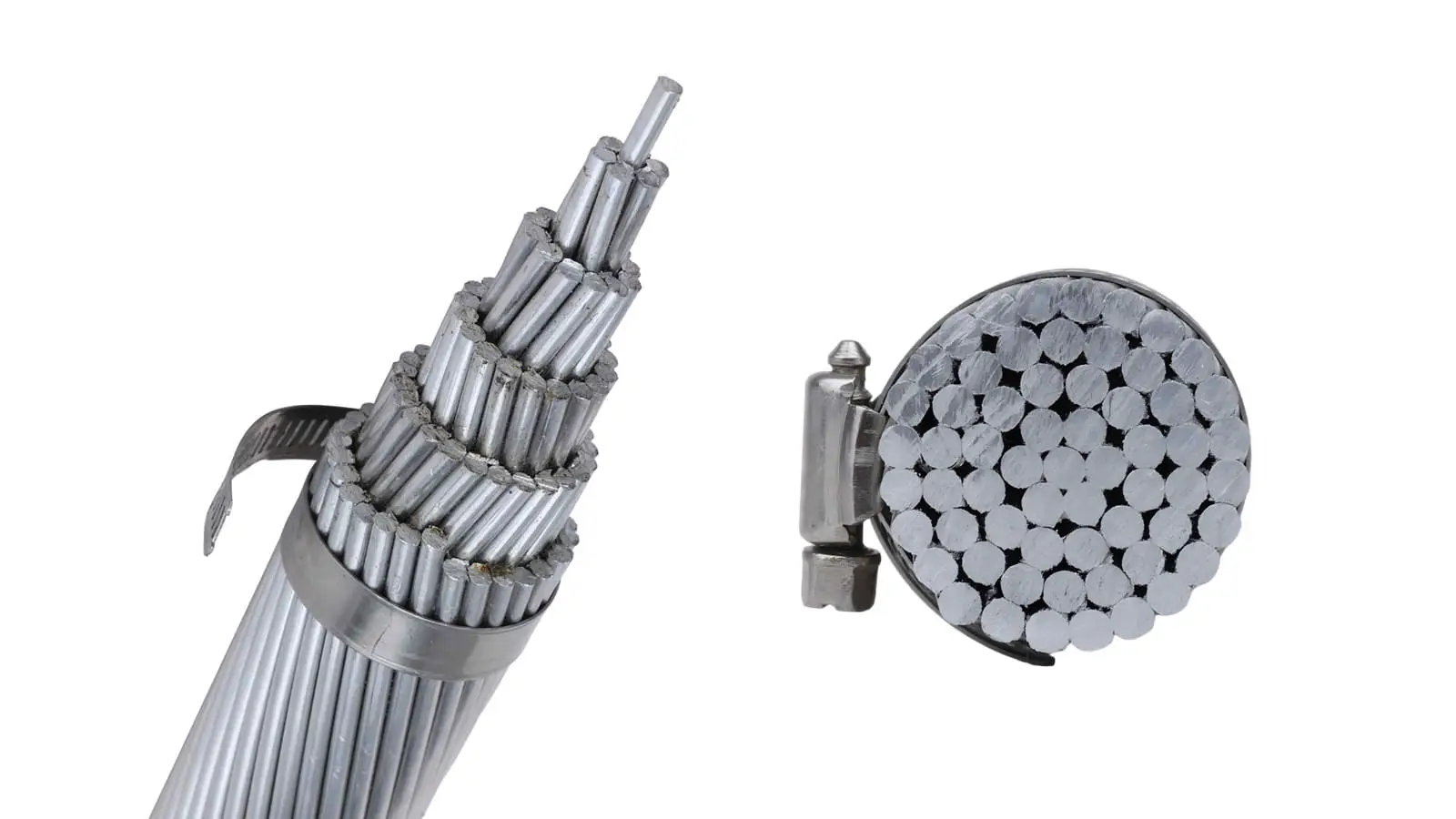
Aluminum Conductor Standards and Technical Data
Aluminum conductor specifications commonly reference IEC 61089 for round wire concentric lay overhead electrical stranded conductors. ASTM standards are also used in many international projects, including ASTM B231 for AAC, ASTM B399 for AAAC and ASTM B232 for ACSR. ACAR may be specified under project, utility or applicable ASTM/IEC requirements.
| Conductor Type | Common Name | Typical Standard Reference | Main Selection Point |
|---|---|---|---|
| AAC | All Aluminum Conductor | IEC 61089 / ASTM B231 project specifications | Conductivity and low weight for shorter spans |
| AAAC | All Aluminum Alloy Conductor | IEC 61089 / ASTM B399 project specifications | Corrosion resistance and improved strength |
| ACSR | Aluminum Conductor Steel Reinforced | IEC 61089 / ASTM B232 project specifications | Long spans and higher tensile strength |
| ACAR | Aluminum Conductor Alloy Reinforced | Project, utility or applicable conductor specification | Balanced strength, ampacity and weight |
Manufacturing Reference Ranges
The ranges below are general production references for early product comparison. Final conductor code, area, stranding, rated tensile strength, resistance and packing are confirmed according to the approved project specification.
| Item | Reference Range | Notes |
|---|---|---|
| Nominal Area | 10-1250mm² | Depends on conductor type and standard |
| Construction | Concentric-lay stranded | Single-material or reinforced designs |
| Material | Aluminum, aluminum alloy, coated steel core where applicable | Selected by conductor family |
| Application Voltage | Overhead line system dependent | Conductor itself is selected by line design, not insulation voltage |
| Packing | Export wooden drum or steel-wooden drum | Drum size and length according to project schedule |
Overhead Line Applications
RS supplies aluminum conductor for rural distribution feeders, urban distribution reinforcement, substation outgoing lines, transmission spans, river crossings, mountainous routes and grid upgrade projects.
Route design affects the conductor selection. Long spans and heavy mechanical loading may favor ACSR. Corrosive coastal or industrial routes often make AAAC attractive. ACAR can support projects where strength and ampacity must be balanced in the same conductor design.
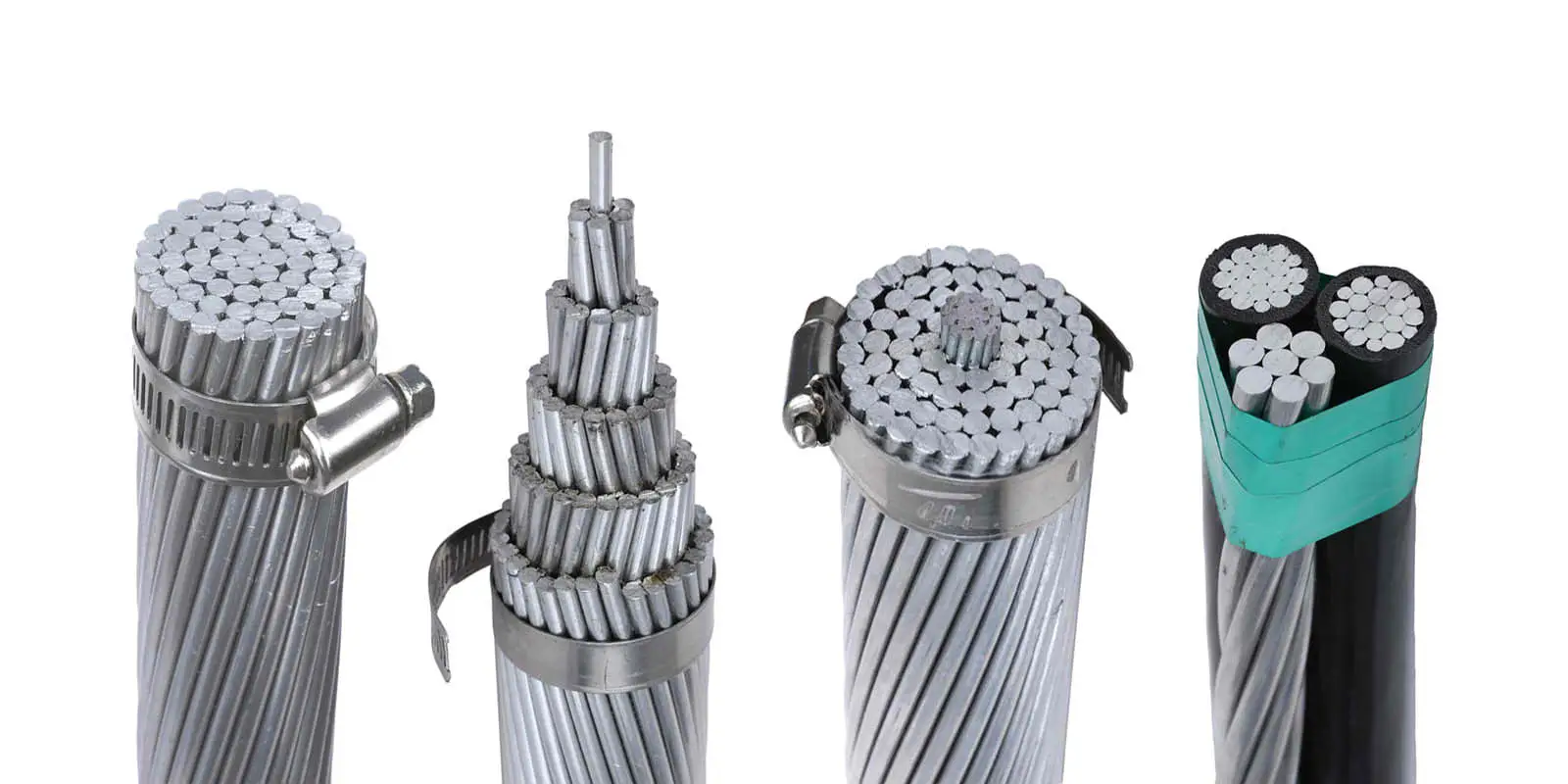
Related Products
You may also be interested in these products
 Home
Home WhatsApp
 Email
Email Get Price